NGS and the Board for Certification of Genealogists will present the annual BCG Skillbuilding lectures throughout the conference. These lectures are a highlight of NGS Family History Conferences and include case studies emphasizing the use of the genealogical proof standard. Eight BCG Skillbuilding lectures will be presented this year (see the program schedule for times and locations):
 Positively Negative: Using A Super-Trio to Meet the Genealogical Proof Standard
Instructor: Kelley Conner Lear, CG
This session focuses on a “super-trio of negatives”—negative findings, negative searches, and negative evidence—used to meet the Genealogical Proof Standard. When working in time periods or places where records are scant or destroyed, negative findings and searches become essential tools. Together, these “negatives” play a positive role in resolving questions of identity, relationships, and events.
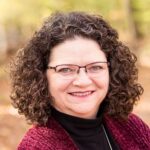 Claiming America: Federal Land Records and the Nation’s Growth
Instructor: Angela Packer McGhie, CG, FUGA
Federal land records track Western migration from Revolutionary War bounty lands to the last homestead in 1986. Learn how to find and use these sources to uncover your ancestors’ settlement stories—the opportunities they chased, the land they worked, and the communities they built across America’s expanding frontier.
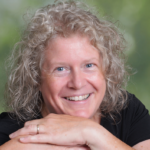 Hidden Histories: Extraordinary Insights from Ordinary Records
Instructor: Jennifer Zinck, CG
Take a fresh look at familiar records through a different lens to uncover the stories history overlooked. Learn how reading between the lines can reveal details about the lives of women, immigrants, the poor, and others marginalized in the past.
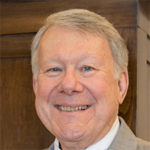 Lessons from Documenting Misattributed Parentage by “Proving a Negative”
Instructor: Thomas W. Jones, PhD, CG, CGG, FASG, FUGA, FNGS
A case study explains the origin and widespread acceptance of an egregious genealogical error that arose in 1887—showing how one researcher’s theory of a Revolutionary War soldier and his spouse became “fact,” fooled lineage societies for over a century, and spread like wildfire online.
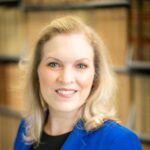 African Americans in Indiana Before the Civil War: Peter Ladd of Cabin Creek in Randolph County, and the Story of Free Black Settlements
Instructor: Carolyn Ladd, JD, CG, AG
Before the Civil War, free African Americans established strong, self-sustaining communities in Indiana. Learn how Peter Ladd of Cabin Creek and others left behind land, census, and local records that tell their remarkable stories.
 Questions within Questions – Implementing a Dynamic Research Plan
Instructor: David Ouimette, CG, CGL
The best way to answer a tough research question is with a dynamic plan. See how a flexible, evolving strategy proved the parentage of a Revolutionary War soldier—and how you can apply the same approach to your own challenging cases.
 Ordinary Women Live Extraordinary Lives: A Deep Dive into the Records Reveal Tales of Resiliency
Instructor: Karen Stanbary, CG, CGG
Four ordinary pioneer women lived extraordinary lives. Through their stories, you’ll learn how to use advanced research strategies and historical context to uncover, untangle, and document women across generations.
 Occupants, Owners or Nations: Native Rights to Land
Instructor: Judy G. Russell, JD, CG, CGL, FUGA
From King Philip’s War to the Trail of Tears, conflicts between settlers and the rights of those already on the land transformed the legal landscape. Learn how each shift in policy—from treaties to allotments—left a paper trail that family historians can use today.

Registration is open now.